· 3 min read · Chuck Wegrzyn
Level 2 EV charger installation in Western New York
What actually goes into putting a Level 2 EV charger in your garage, from checking the panel to picking the spot on the wall.
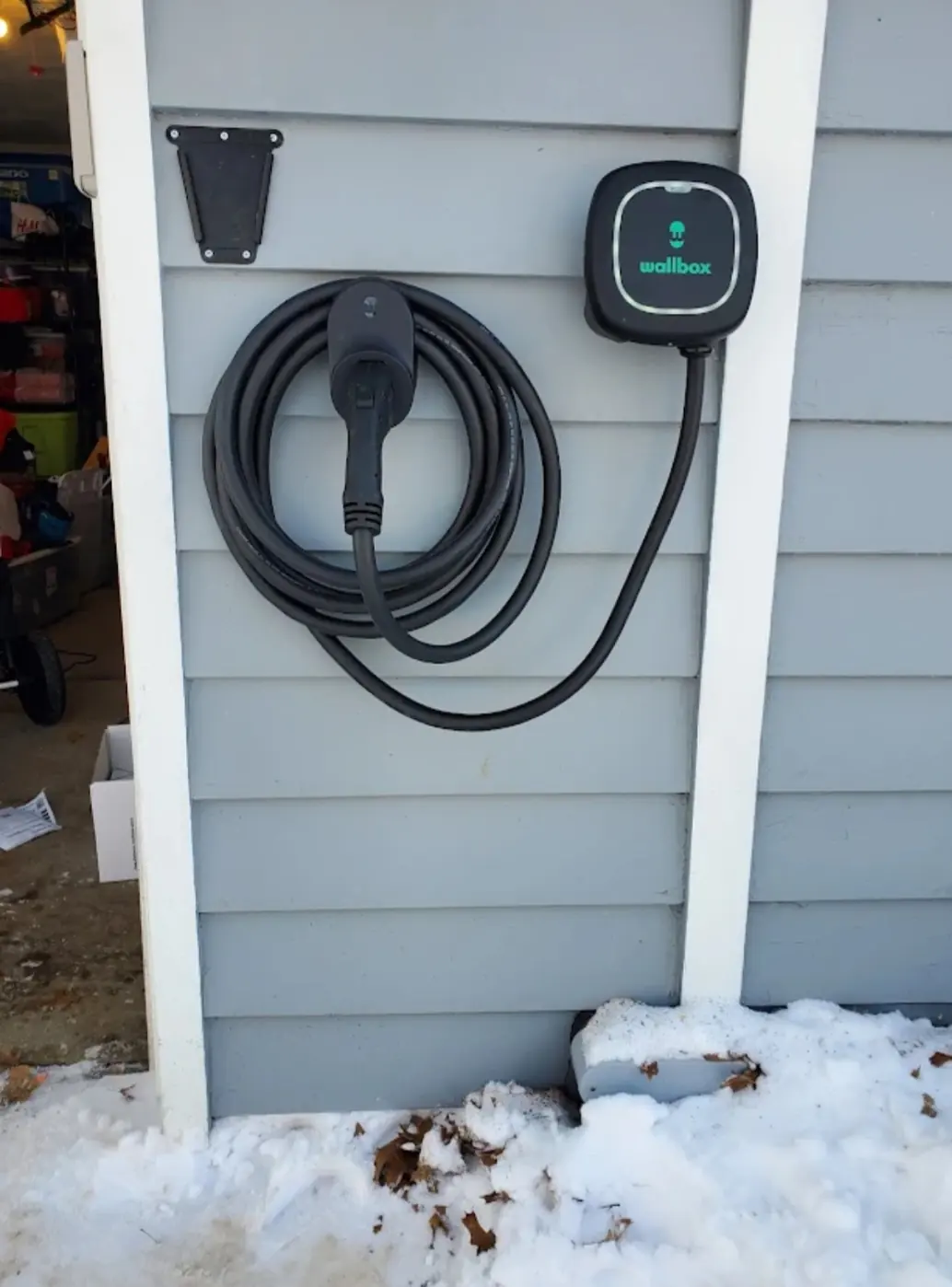
More people around Derby, Hamburg and Eden are bringing home an EV or a plug-in hybrid, and the cord that came with the car only goes so far. Plugged into a regular outlet, most cars add only a few miles of range per hour. A Level 2 charger on a 240 volt circuit fills you up overnight. Here's what goes into putting one in.
Start with the panel
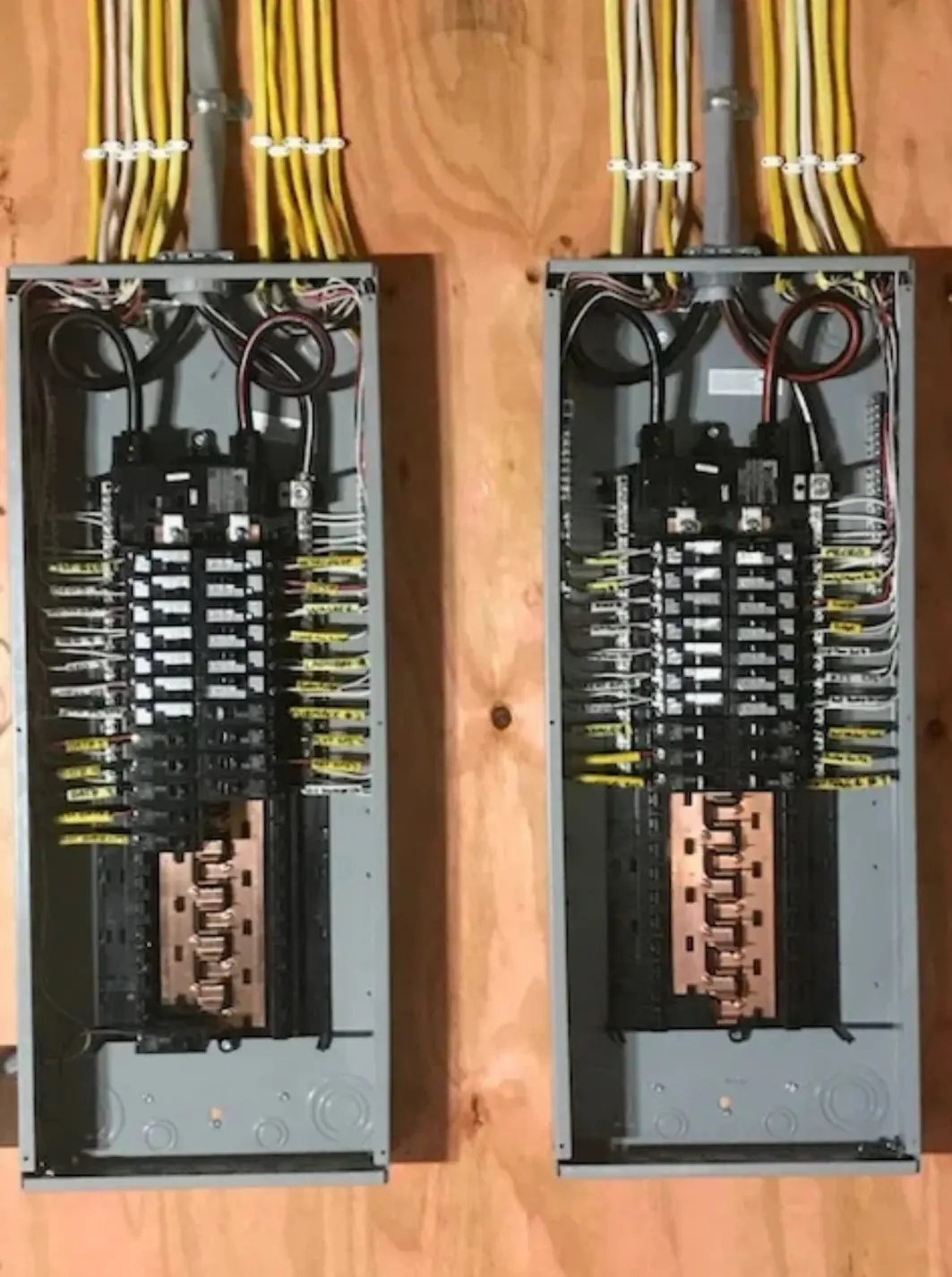
A Level 2 charger is one of the biggest loads you can put on a house, and it runs for hours at a stretch. So the first thing I do is look at your panel and figure out whether the service can carry it.
- Is there room? You need two open spaces for a 240 volt breaker.
- Is there capacity? I run a load calculation on the house: heat, range, dryer, water heater, AC and everything else. A lot of 100 amp homes can handle a charger. Some can't without an upgrade.
- What's the panel? If it's an old Federal Pacific or Zinsco, I'd replace it before adding a load like this.
Some chargers can be set to draw less current. That can be the difference between adding a circuit and needing a service upgrade, so it's worth knowing what yours can do before you buy.
Hardwired or a NEMA 14-50 outlet
You have two ways to hook up a home charger.
- NEMA 14-50 outlet. The charger plugs into a 50 amp outlet, the same kind used for RVs and some ranges. Handy if you might take the charger with you when you move. Code requires GFCI protection on it, and a cheap outlet can wear out and heat up after years of plugging and unplugging.
- Hardwired. The charger is wired straight to its own breaker. It's usually the cleaner install and there's no plug to wear out. Chargers rated above 40 amps have to be hardwired.
Either way, the circuit gets sized to the charger. Because the charger runs at full load for hours, the breaker and wire have to be bigger than the charger's rating. A 40 amp charger goes on a 50 amp circuit, for example. I'll match it to the unit you picked.
Where to mount it
This is the part people don't think about until the charger is already on the wall. Before I drill anything, I'll ask:
- Which side of the car is the charge port on, and which way do you pull in?
- Will a second EV be parked in that garage someday?
- Does the cable reach without stretching across the floor where you'll trip on it or run it over?
- If it's outside, is it out of the worst of the snow and away from where the plow throws it?
A lot of the time I'll suggest a different spot than the one you had in mind. Sometimes the best spot is also the shortest wire run back to the panel, and that saves you money too.
Permits and inspection
A new 240 volt circuit for a charger is permitted electrical work. I pull the permit with your town and the work gets inspected. Requirements vary a little from town to town, so check with your town's building department if you're doing any part of it yourself. If I'm doing the install, I handle it.
About rebates
I get asked about this a lot. Incentive programs for home chargers change often, and I'm not going to promise one that may not be there when you apply. Check with your utility and your car maker before you buy. Some carmakers bundle a charger or an install credit.
Questions people ask
Can I put an EV charger on a 100 amp service?
Often, yes. It depends on what else the house is running. I do a load calculation first and tell you straight whether you need an upgrade.
Should I buy the charger or let you supply it?
Either works. If you're buying it yourself, text me the model before you order so I can check it against your panel and tell you what circuit it needs.
How long does a Level 2 install take?
Most installs with a short run from the panel to the garage take part of a day. Longer runs or a panel upgrade take more time, and I'll tell you up front.