· 3 min read · Chuck Wegrzyn
Generator inlet or whole-home generator: which is right for you
The honest difference between a portable generator hooked up through an inlet and a whole-home standby generator, for Southtowns storm outages.
Out here near the lake, the power goes out. Wind off Lake Erie, heavy wet snow on the branches, ice in March. If you've sat through a couple of days with no furnace and a sump pump that quit, you've probably thought about a generator. There are two good ways to do it, and one dangerous way I see far too often.
Option one: portable generator with an inlet
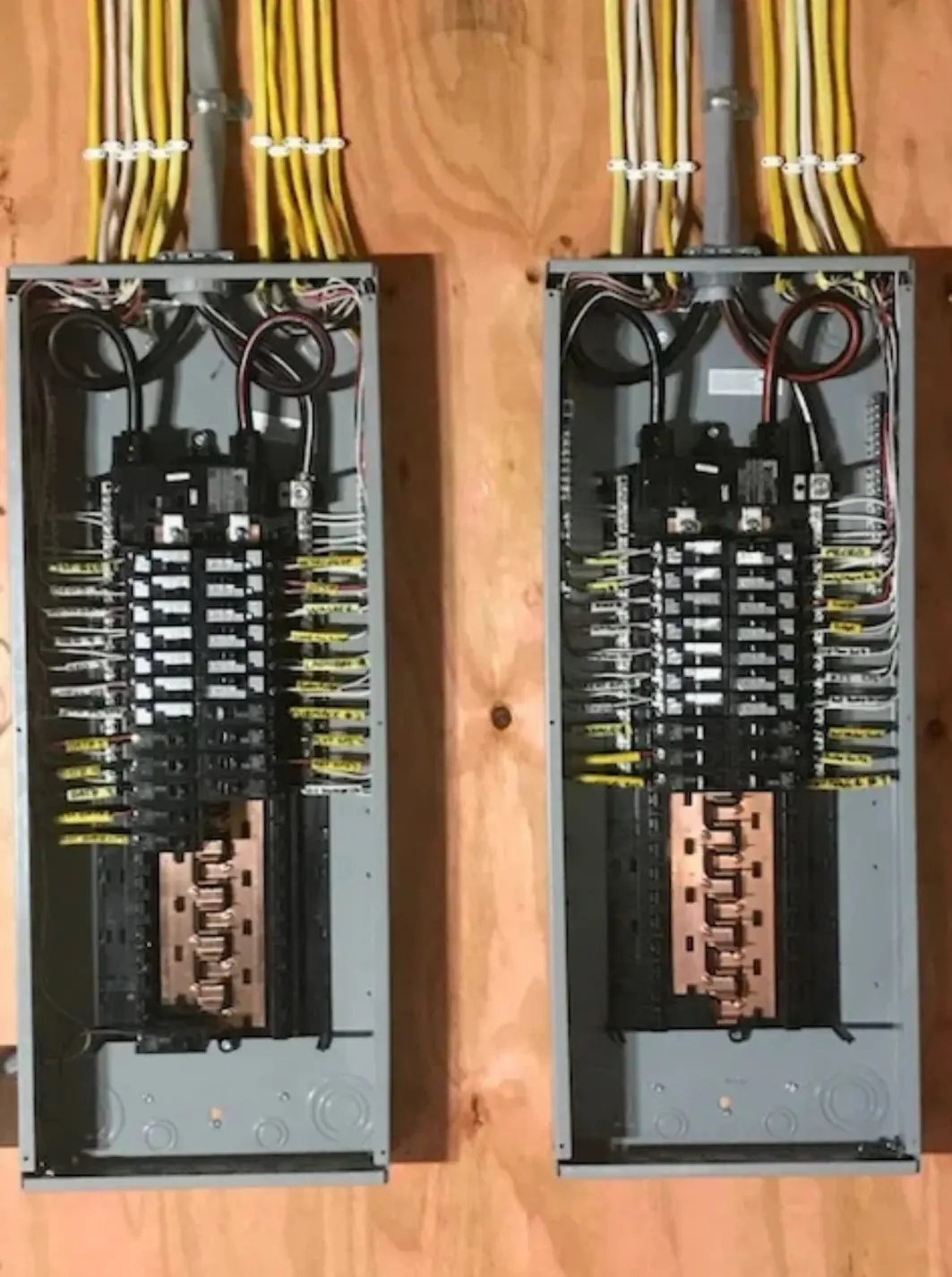
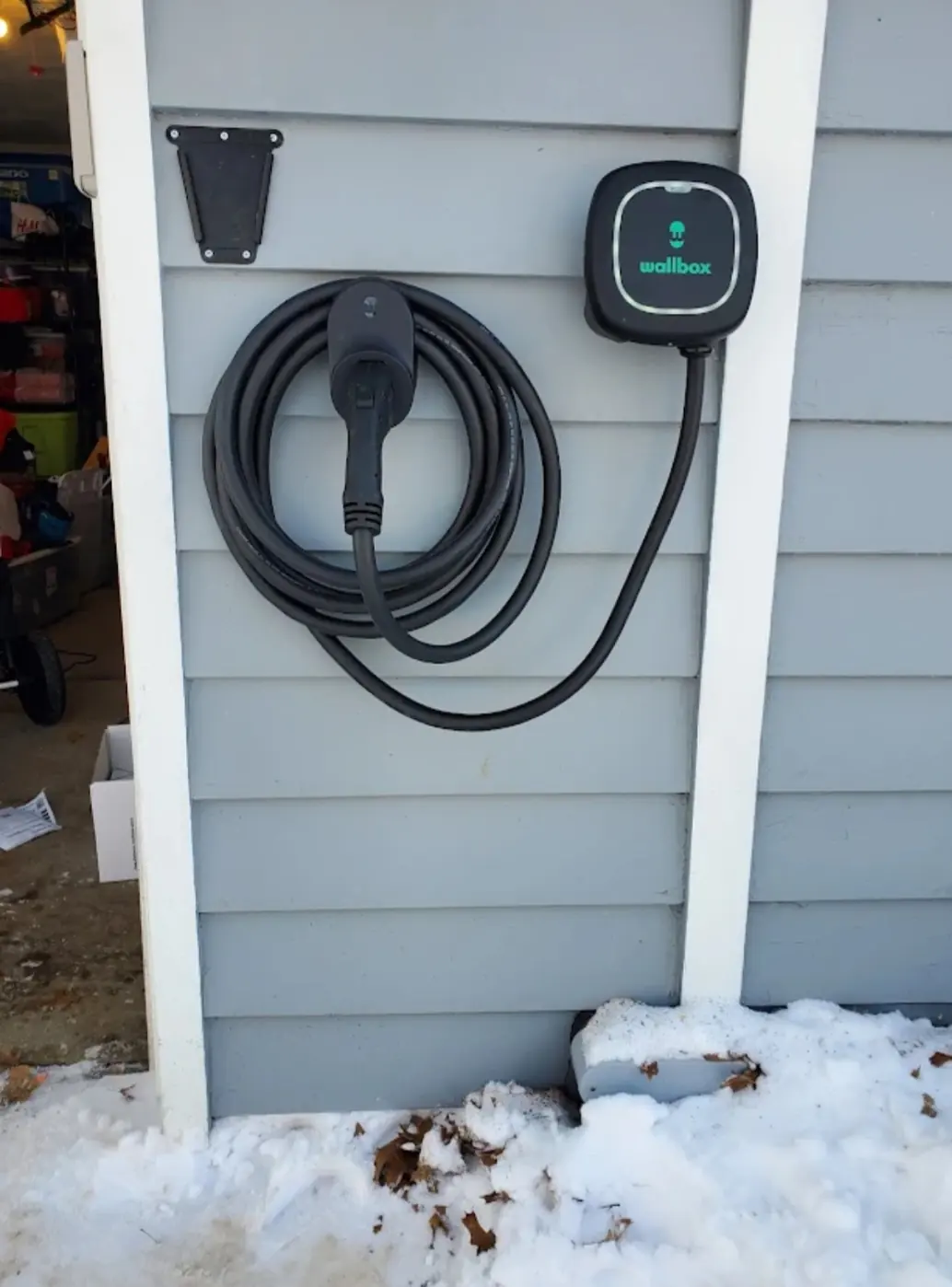
You keep a portable generator in the garage or shed. I install a weatherproof power inlet on the outside wall, and either an interlock kit on your panel or a manual transfer switch. When the power goes out, you roll the generator out, plug one cord into the inlet, flip the main off, and turn on the circuits you want.
What's good about it:
- It costs a lot less than a standby unit, especially if you already own a generator.
- You can run the furnace, the fridge, the sump pump, the well pump and some lights, depending on the size of the generator.
- The interlock makes it physically impossible to have the main breaker and the generator breaker on at the same time.
What to know:
- You have to be home to start it, fuel it and keep it running.
- It has to run outside, well away from the house. Never in the garage, even with the door open. The CDC says to keep it at least 20 feet from doors and windows because of carbon monoxide.
- You pick what runs. Most portables can't carry central air or an electric range plus everything else.
Option two: whole-home standby generator
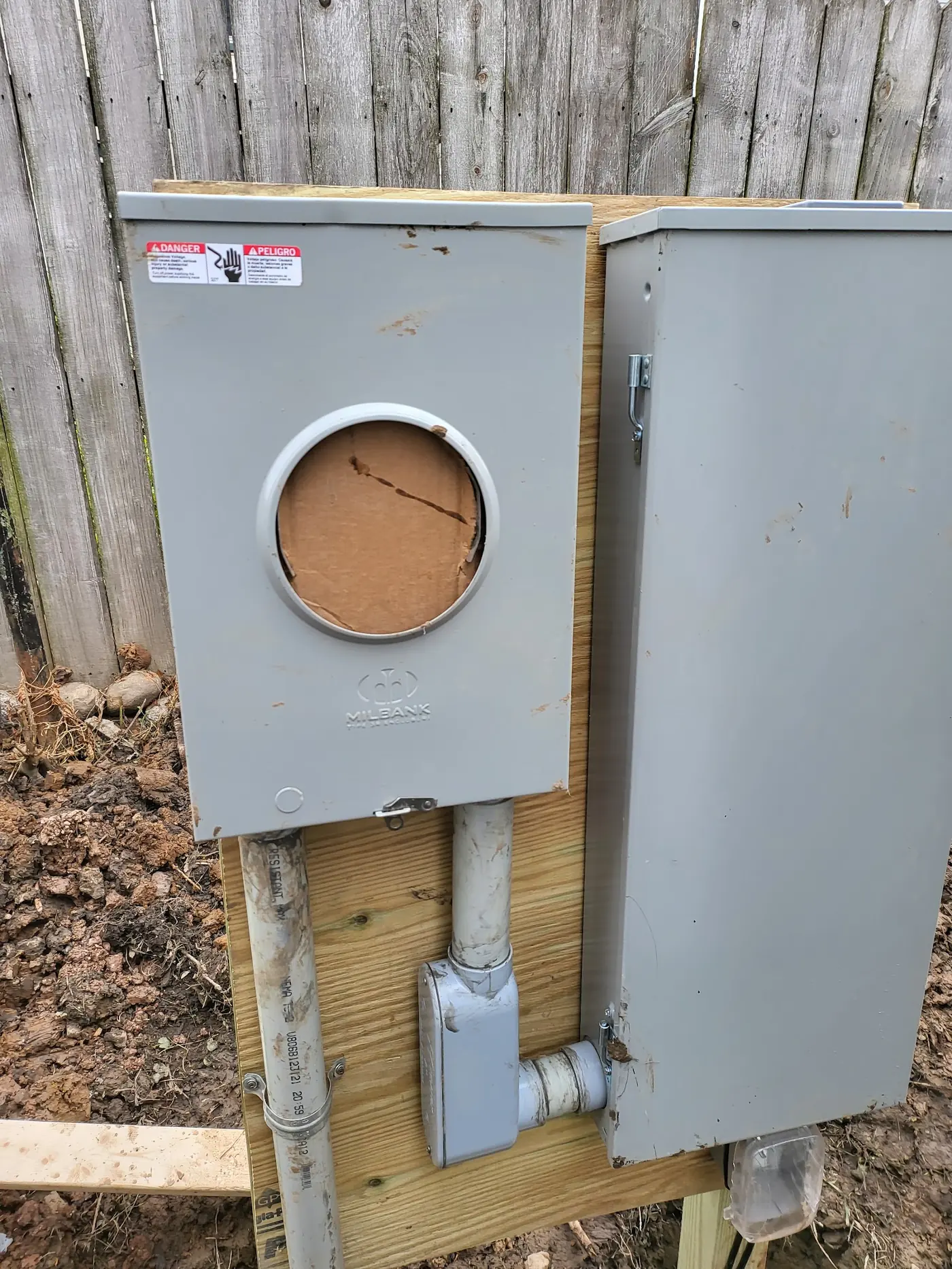
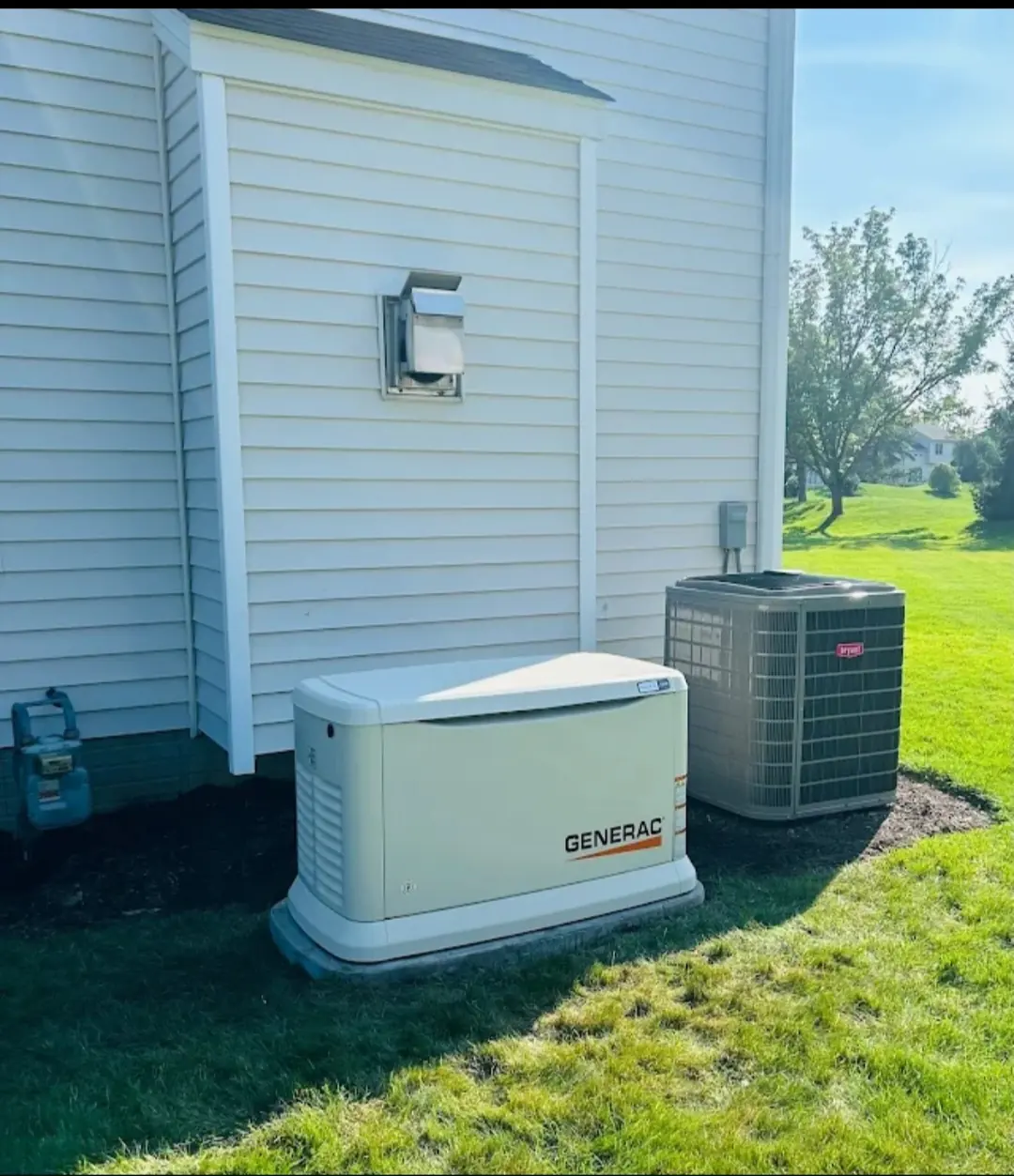
A standby generator, like a Generac or Kohler unit, sits on a pad next to the house and runs on natural gas or propane. It's connected through an automatic transfer switch. When the utility power drops, it starts on its own and takes over within seconds. When the power comes back, it switches back and shuts itself down.
What's good about it:
- It works whether you're home or not. That matters if you travel in winter or have an elderly parent in the house.
- No gas cans and no cords through the snow.
- Sized right, it can run the whole house, or at least the major loads.
What to know:
- It's a bigger project: a pad, a gas line, the transfer switch and permits.
- It needs yearly maintenance, like any engine.
- Placement has rules. The manufacturer sets minimum distances from windows, doors and vents, and your town may have its own setbacks. Check with your town's building department, or I'll check for you.
Never backfeed through a dryer outlet
I have to say this one plainly. Some people make a cord with a plug on both ends and push generator power back through a dryer or range outlet. Don't do it.
- With nothing separating your house from the grid, that power goes backward through your meter and up the line to the transformer, where it can be stepped up to thousands of volts. A lineworker on the pole thinks that line is dead.
- If the utility power comes back while it's hooked up, it can wreck the generator and start a fire.
- It's against code, and if something happens your insurance may not cover it.
An inlet with an interlock or transfer switch is the safe way to do the exact same thing.
How I help you choose
I'll ask what you actually need to keep running. For a lot of Southtowns homes, the list is the furnace, the sump pump, the fridge and a few lights. A portable with an inlet handles that fine. If you want the house to keep running with nobody touching anything, or someone at home depends on medical equipment, a standby unit is worth a look. I'll give you both options and you decide.
Questions people ask
What is a generator interlock?
It's a metal plate installed on your panel that only lets the main breaker or the generator breaker be on, never both. It keeps generator power from going back out onto the utility lines.
What size portable generator do I need for an inlet?
That depends on what you want to run. Text me a photo of your panel and a list of what matters most, and I'll tell you what will work with the generator you have or are looking at.
Do I need a permit for a whole-home generator?
Yes, a standby generator install needs permits and an inspection, and gas work may need its own. I handle the electrical permit and inspection with your town.